How to Maximise Fibre’s ROI? The Non-Negotiable Case for IRS/FIRS in MDU Data Migration
Property managers and developers are right to focus on deploying Full Fibre across their Multi-Dwelling Units (MDUs), guaranteeing a high-speed data transport layer for tenants. However, we consistently observe a major commercial oversight: upgrading the data infrastructure without simultaneously integrating the TV distribution system (Aerial and Satellite) significantly diminishes the entire investment.
The decision to migrate to fibre immediately establishes a new service expectation for tenants. Tenants demand that this high-speed connection fully supports IPTV, 4K streaming, and non-negotiable access to modern platforms like Sky Q. Reliance on an obsolete, aerial-only MATV (Master Aerial TV) setup creates immediate systemic friction, nullifying the perceived benefits of the new fibre. This oversight actively generates OpEx (Operational Expenditure) that could have been avoided.
Why Legacy MATV Fails in a Modern Fibre Environment
An old MATV system offers a limited solution because it only distributes terrestrial signals (Freeview). It entirely ignores the satellite layer, yet modern data convergence requires tenants to have guaranteed access to both broadcast content and high-speed data access in every unit.
(For a full explanation of how MATV systems work, read our earlier guide on shared buildings.)
Here is why a legacy MATV installation actively generates OpEx and limits your new fibre’s commercial viability:
1. The Sky Q Compliance Problem (Dual-Feed Systems)
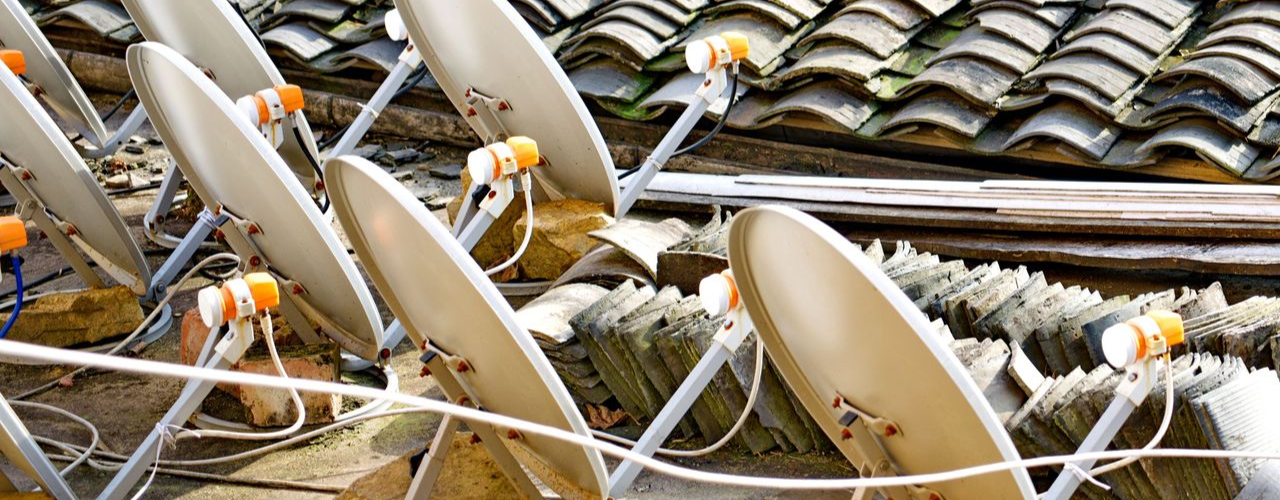
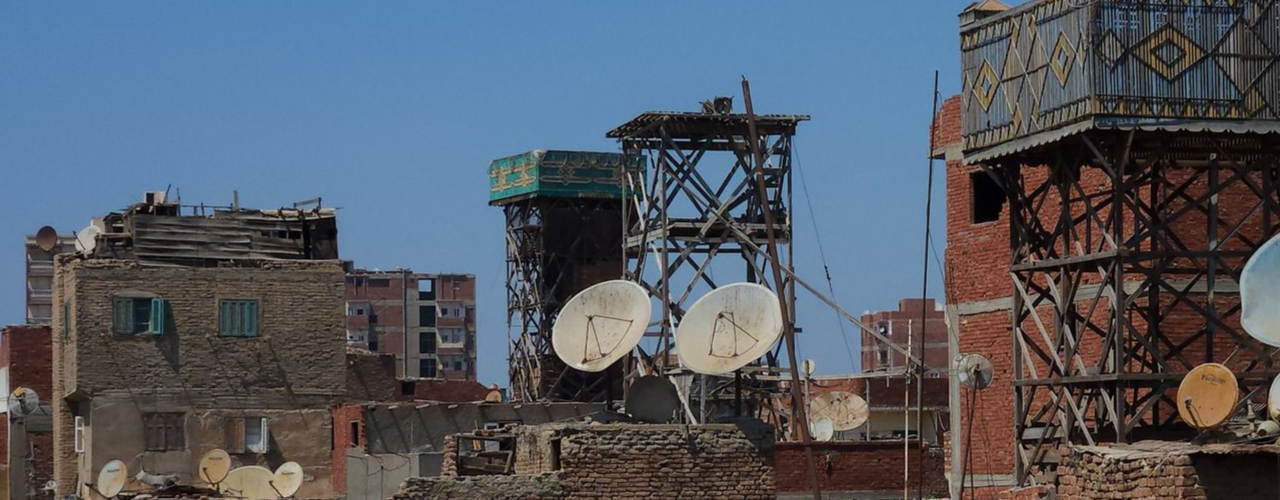
Tenant dissatisfaction often peaks when they realise, they cannot install Sky Q which requires two dedicated, independent satellite signal feeds (dual LNB feeds) to function correctly. Since MATV cannot distribute satellite signals, this leads directly to the unauthorised proliferation of individual tenant dishes, which we refer to as 'shotgun installs'.
- The IRS Advantage: An IRS system uses a central headend and a multi-switch network. It combines DAB, FM, Freeview, and multiple satellite signals onto a single coaxial network. This guarantees the necessary dual LNB signals are available at every single wall outlet, solving the Sky Q problem instantly and preventing planning enforcement risk.
2. Eliminating Satellite Dish Clutter and Planning Risk
In conservation areas and larger developments, the visual blight caused by individual satellite dishes is a major concern for planning compliance and asset aesthetics. These 'shotgun installs' also introduce multiple points of failure and maintenance headaches due to poor-quality DIY mounting and cabling.
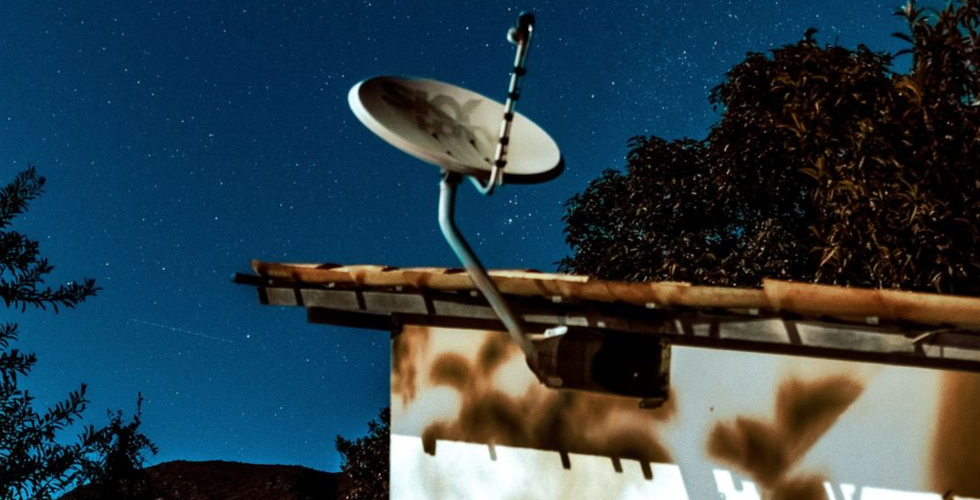
- The FIRS/IRS Advantage: A centralised IRS or FIRS system requires only one discreetly positioned dish and aerial array for the entire property. This single point of entry preserves the building's aesthetic mandate and eliminates the risk of non-compliant, tenant-installed wiring across the facade.
3. Futureproofing for IPTV and Data Convergence
The industry is rapidly pivoting toward full IPTV (TV over the internet), and platforms like Sky Glass are completely dependent on data. If you treat your fibre backbone and TV distribution as two separates, you will certainly face complex convergence problems soon. This is why many people find themselves juggling Digital TV Aerials vs Streaming.
- The FIRS/IRS Advantage: FIRS (Fibre Integrated Reception System) is the definitive choice for enterprise-scale installations. It converts all signals into a highly efficient fibre optic backbone. This delivers zero signal attenuation (loss) over kilometre-scale distances, and it remains completely immune to electrical interference, aligning perfectly with the MDU's primary data transport layer.
How to Choose Between IRS and FIRS for Your MDU
IRS and FIRS represent a massive technical improvement over MATV, but the correct deployment depends entirely on your site's scale and existing infrastructure footprint.
The final selection is a technical decision that hinges on your building’s specific layout and footprint.
- Integrated Reception System (IRS)
- Technology: Distributed Multiswitch Network (Coaxial Backbone).
- Practical Application: Small-to-mid-sized blocks (typically under 50 units) or refurbishments where you can utilise existing, compliant coaxial risers.
- Expert Benefit: Cost-efficient in specific retrofit scenarios; leverages existing copper infrastructure for final-mile delivery.
- Fibre Integrated Reception System (FIRS)
- Technology: Optical Signal Conversion (Fibre Optic Backbone).
- Practical Application: Large, sprawling sites (e.g., commercial parks, multi-block estates, student accommodation) or high-end new builds where blocks exceed 50 units.
- Expert Benefit: Delivers zero signal degradation over vast distances; lightweight cabling; future-proofs for complete IPTV convergence; reduces long-term maintenance costs.
Securing Your Fibre Investment (ROI): The Commercial Benefits
The IRS or FIRS installation cost is not a property expense; it is a capital investment that guarantees your asset's reliability and protects against rapid OpEx spikes.
- Enhanced Tenant Retention and Asset Value Reliable media access and 4K signal quality provide key amenities. This drastically reduces media-related complaints, a significant driver of MDU churn and maintenance calls, directly enhancing asset value.
- Reduced Operational Expenditure (OpEx) You consolidate all signal infrastructure into one central, manageable system. This eliminates repeated service calls to fix tenant-installed dishes or rogue, non-compliant wiring.
- Elimination of Visual Blight and Planning Risk A central system requires only one discreetly installed dish and aerial array. This preserves the building's facade, avoids planning enforcement issues, and removes the risk associated with dozens of unsightly, tenant-installed satellites.
- Guaranteed Future-Proofing Professional integration with your new fibre network ensures your building stands ready for the next generation of data-dependent services without requiring disruptive and costly re-cabling within the next 5-10 years.
What a Certified IRS/FIRS Installation Process Involves
For property managers in West Yorkshire, Cube Communications provides the end-to-end expertise required to structurally bridge your new fibre network with your tenants' media signal demands. We don't guess. We measure and ensure.
We manage the entire, certified process:
- System Audit and Spectral Analysis: We assess your existing MATV setup and fibre runs. Using CAI certified signal meters, we perform a full spectral analysis to determine the optimal signal direction and calculate the precise gain and filtering required to prevent overload.
- Headend Commissioning: Our engineers configure the central multi-switch or fibre converter. They combine the terrestrial and satellite signals to ensure perfect signal balance and LNB alignment. This step replaces the limited functionality of the legacy MATV amplifier with a true digital headend.
- End-to-End Signal Integrity: We test every single wall outlet with diagnostic equipment to certify that the digital metrics (e.g., BER and C/N) meet the required standard for Sky Q and flawless 4K viewing; this signs off on the system's long-term operational integrity.
Do not let an outdated TV distribution system compromise the structural integrity of your Full Fibre investment. A professional IRS or FIRS installation offers the only practical way to deliver the complete, high-performance media experience that modern tenants demand.
Secure Your Fibre ROI and Asset Value.
Contact us today to schedule a Fibre Convergence Audit. We will deliver a detailed scope of works alongside a fixed-price quote, guaranteeing a compliant, high-performance system integration.
Call 0113 287 9000 or visit our Commercial Services page to learn more about our building-wide communication solutions.