Vacant units invite trouble before CCTV installation is on the agenda
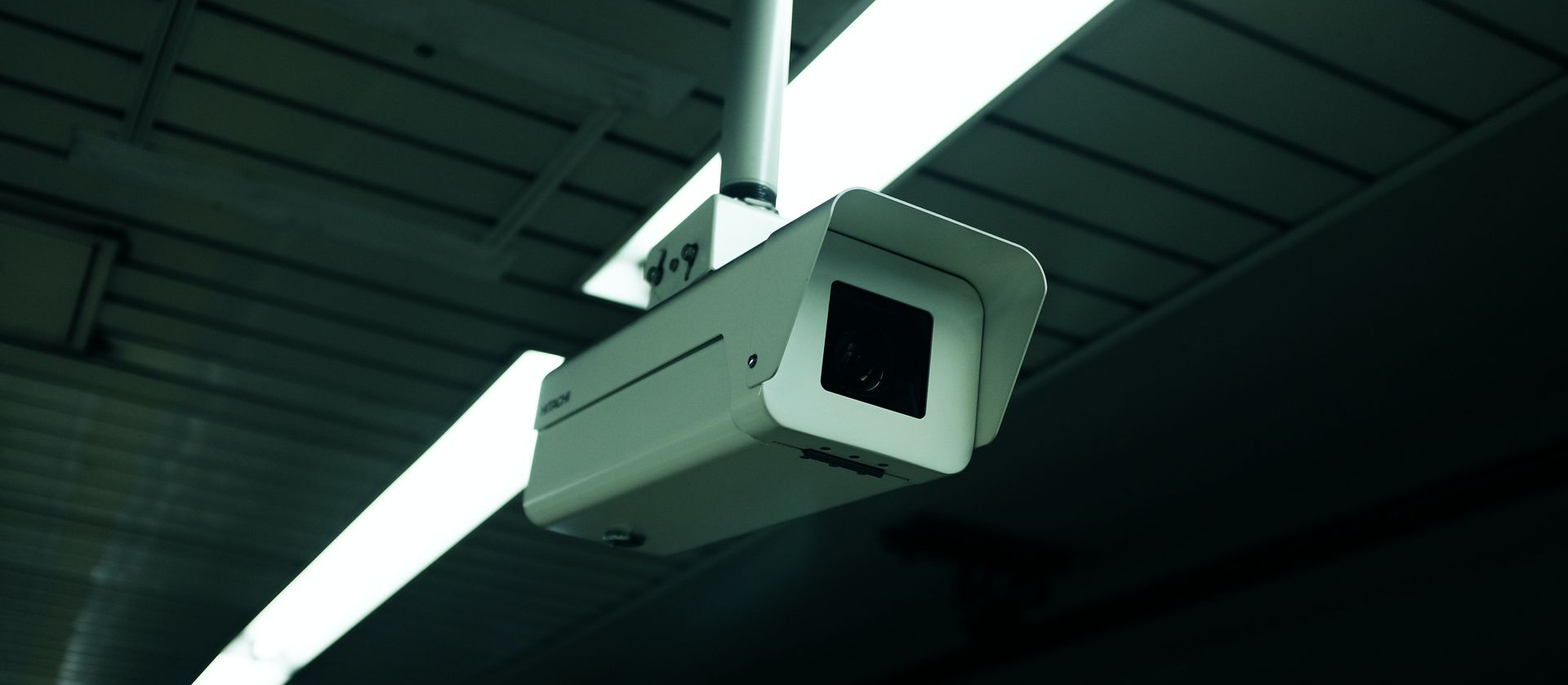
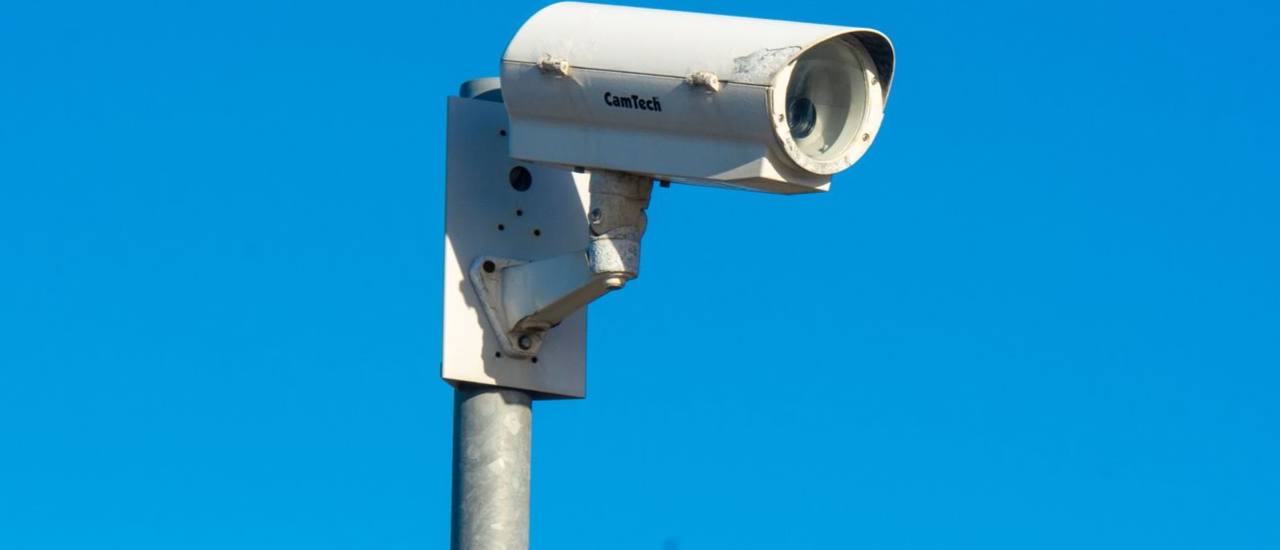
Vacant commercial units rarely stay quiet for long. A shop between tenants, an empty office, a warehouse waiting for fit-out or a part-finished development unit can start attracting the wrong attention as soon as the site looks inactive. The risk often shows up first around rear doors, side gates, yards and shutters. That is why CCTV installation needs to be considered early. For landlords, facilities managers, developers and commercial property owners, the aim is to keep the unit easier to check and control while it stands empty.
Why do empty commercial units attract trouble so quickly?
Vacancy is easy to read from the outside. Lights stay off, deliveries stop and yards start to look untouched. Once that happens, the site can start attracting nuisance access, fly-tipping, vandalism and attempted entry.
The weak point is not always the main entrance. On empty commercial units, it is easy to focus on the frontage and miss the service side. Rear doors, loading bays, shared access routes and roller shutters often show the real exposure more clearly because they sit out of sight and get checked less often than the front entrance. A vacant shop may pick up frontage damage and attempts at rear access. An empty office can draw attention around side entrances or car parks. A warehouse or light industrial unit may face more pressure around gates, yards and shutters. The layout changes the detail, but not the pattern.
Why should CCTV installation happen before the first incident?
Reactive security decisions usually cost more in time and disruption. Once a unit has already been hit, owners are dealing with damage, clean-up work and pressure to get something in place quickly. That can lead to a rushed setup built around the last incident instead of the real site risk.
Planned CCTV installation gives owners time to look at the building properly. Which routes are most likely to be tested first? What still remains inside that needs protecting? What needs to be identifiable? What changes after dark? Those questions lead to a better system than a quick install arranged after the site has already started causing problems. A damaged access point can delay viewings, and repeated fly-tipping can make the unit harder to present.
What should CCTV installation for vacant units cover first, and what mistakes weaken it?
Start with the routes into the building, not with the number of cameras. Front entrances matter, but rear service doors, side gates, loading bays, roller shutters and yards often matter more because they are the points people test first when they think a property is no longer checked closely.
Image quality matters as much as placement. A camera that confirms movement but tells you nothing useful about the route, timing or point of entry is not doing enough.
Placement and lighting also matter. A setup can look fine in daylight and still give poor footage once light levels drop. Recorder location matters too. If the system sits in an obvious front office or unprotected cupboard, it can become vulnerable once someone gets inside. Visible signage still has a role because it shows that the unit is being monitored and checked.
Delay is one of the most common mistakes. Many owners expect the unit to be empty for a short period, then find the vacancy lasts longer than planned. Another common mistake is treating an empty unit like an occupied one with a few extra cameras added around it. Once a building becomes vacant, the access pattern changes and weak points become more obvious. Generic kits can create the same problem. The frontage gets covered because it is easy to mount and easy to see from the road, while the side access, rear door and service yard get far less attention. That leaves owners with footage that proves the site has a problem without showing enough to manage it properly.
How should CCTV installation adapt to poor power, weak broadband or changing site use?
Vacant sites do not stay still. A building that looks inactive this week may have contractors on site next week, viewings the week after, then a fit-out team moving through different parts of the unit. The security plan needs to reflect that change. Some properties also have limited power, weak broadband or temporary services during vacancy. That changes how the system should be planned. Remote viewing, recording method, camera placement and cabling routes all need to make sense for the site as it stands now.
Review the risk before the site starts creating work
If a unit is already empty, or likely to become vacant soon, this is usually the right point to review the weak spots before the site starts generating avoidable work. Contact Cube Communications for a practical site review and a clear recommendation on CCTV installation that fits the building and the vacancy period.
How should CCTV installation adapt to poor power, weak broadband, changing site use and sign-off decisions?
Vacant sites do not stay still. A building that looks inactive this week may have contractors on site next week, viewings the week after, then a fit-out team moving through different parts of the unit. The security plan needs to reflect that change.
Some properties also have limited power, weak broadband or temporary services during vacancy. That does not remove the need for protection. It changes how the system should be planned. Remote viewing, recording method, camera placement and cabling routes all need to make sense for the site as it stands now, not for an ideal version of the property that may not exist yet.
Before signing off a system, it helps to be clear on which access points matter most now, how long the property may stay empty, what remains inside that needs protecting, who needs access to footage or remote viewing, what power and connectivity are available, and what may change before re-letting, sale or fit-out. Those points keep the decision tied to the building and the vacancy period.
Protect the unit before the problem grows
Early CCTV installation gives you a better chance to protect the asset, keep control of the site and avoid turning a temporary vacancy into a larger operational problem. If you want a second opinion on the layout, the access points or the most sensible next step for the property, get in touch with Cube Communications. The team can talk through the site and the likely risk points before the vacancy becomes harder to manage.
Frequently asked questions about vacant property CCTV installation
Do insurers need to know when a commercial unit becomes vacant before security is arranged?
Insurance requirements can change once a commercial property becomes unoccupied, so it is worth checking the policy position early. Vacancy conditions and inspection requirements can affect how the property should be managed.
Is a temporary camera setup worth it for short-term vacant commercial units?
It can be. Short vacancies do not always stay short. A temporary setup can make sense where risk is already changing and a permanent scheme is not yet the right fit.
What is the difference between recorded CCTV and monitored CCTV for empty premises?
Recorded CCTV gives you a visual record to review after something has happened. Monitored CCTV adds active oversight while the site stands empty, which can help where repeated trespass, fly-tipping or out-of-hours access are already a concern.
Do empty commercial buildings need CCTV signs on site?
If a business uses CCTV, clear signage still matters even when the property is empty. Signs should be visible, readable and placed where people approaching the property can see them.
Can a security system help with re-letting, fit-out or contractor access?
Yes. A well-planned system can help owners and managing teams keep track of access during viewings, early works, fit-out activity or short site visits once the building starts moving out of full vacancy.