Rooftop space is getting crowded and MATV needs protecting
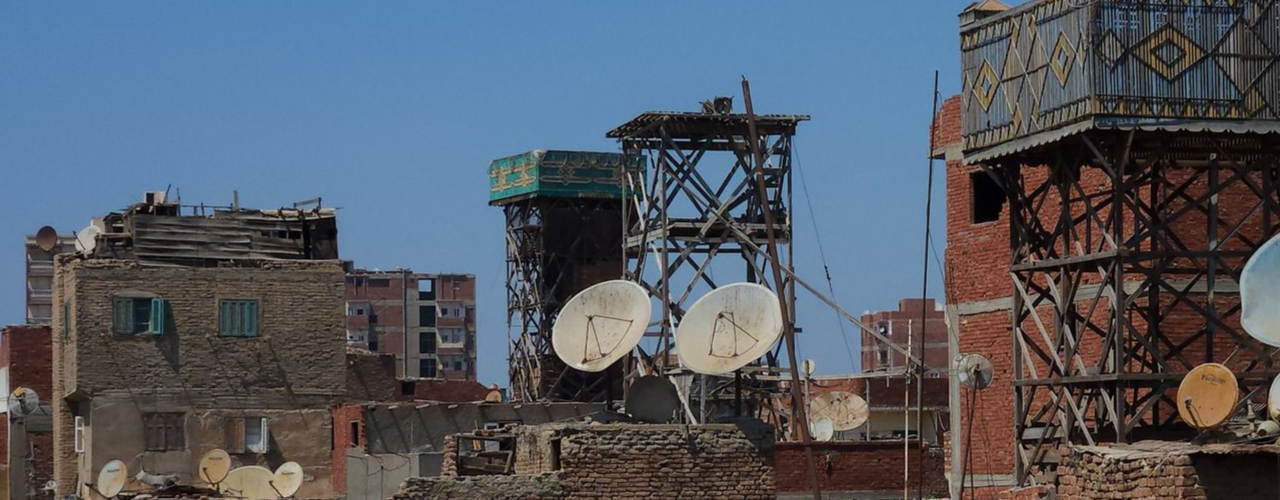
Why does MATV fail after rooftop works on shared buildings? In many cases, no one reviewed the system before solar panels, plant equipment, telecoms hardware or refurbishment changed the roof layout. For landlords, block managers, facilities managers and commercial property owners, that can mean disrupted TV services, resident complaints and reactive repair costs across multiple units. A planned assessment before work starts helps protect signal reliability, maintenance access and long-term service.
Why do rooftop changes put shared TV systems at risk?
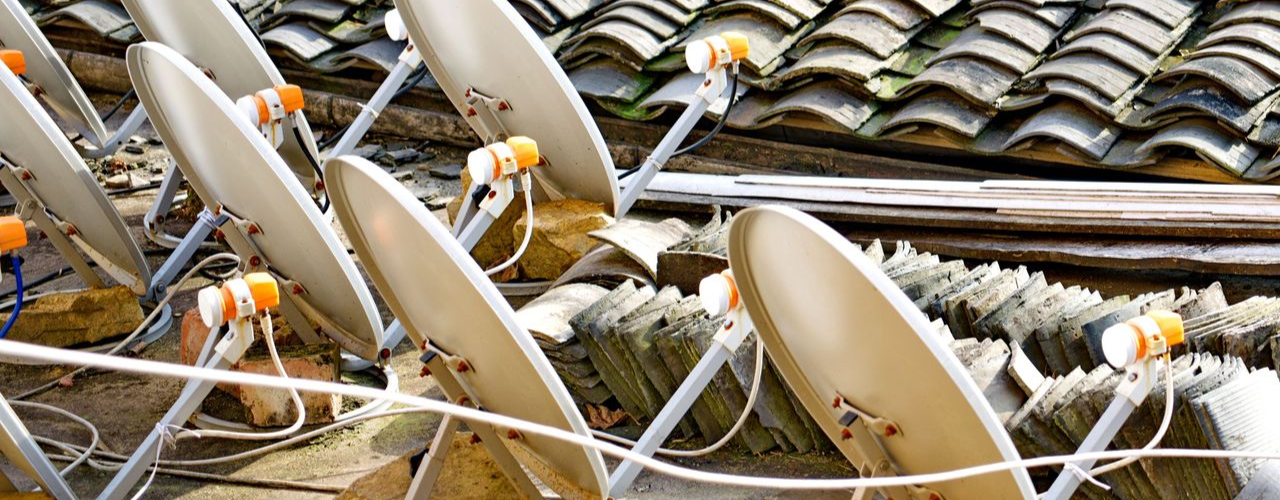
A shared television system depends on more than an aerial or dish. It also depends on position, cabling, access and distribution equipment that still suits the building. Once a roof gets busier, MATV can lose the clear positioning, cable protection or access it relied on before the works began.
On many sites, the roof has changed in stages over years. One contractor adds plants. Another installs new safety measures. A later project brings solar or telecom equipment onto the same roof. Each new service changes the amount of usable roof space. Solar needs its own area. The HVAC plant needs room around it for servicing. Telecoms hardware adds its own brackets, cabinets and routes. On older buildings, MATV often sits among equipment that different contractors added at different times for different reasons.
That does not mean every new item on the roof will damage reception. It does mean the best signal position may no longer be the easiest one to keep, and a cable route that once worked may no longer give the system the same level of protection. Access can also tighten after final layout decisions, which makes routine maintenance slower and fault-finding more awkward. On shared sites, that becomes a building management issue very quickly. One roof change can affect many occupiers at the same time.
What do project teams often miss before roof works begin?
Project teams often focus on the most visible parts of the programme first. They fix plant positions, access routes and working areas. The shared signal system then gets treated as something the site can work around later. That is often the point where MATV problems can begin.
The issue rarely comes from one dramatic mistake. More often, someone shifts a cable route to clear space, narrows the access around a mast position, or leaves containment less protected than it was before. Each decision looks small in isolation. Together, they create a system that is harder to service once the job is signed off. That is why an early review of the MATV system matters. By the time occupiers start reporting faults, the easiest window for dealing with the shared system has often gone.
What should a rooftop assessment cover before work starts?
A proper MATV assessment should establish what the roof looks like now and how the shared system sits within it. That means checking the aerial or dish position, mapping the cabling, reviewing containment and confirming how engineers will reach the equipment after the roof layout changes.
It should also test the signal, review the condition of the distribution equipment and identify any part of the setup that already looks tired or exposed. That baseline gives the client a much clearer starting point. It shows what must stay protected, what may need moving and what no longer suits the site. A quick visual check does not do that. A proper survey gives the building a record that supports planning, coordination and handover.
Before contractors arrive, the person managing the building should know where the aerial, dish, mast and main distribution points sit now, which cable routes need protecting, and how the team will preserve access once other services go in. That review should also pick up signs of age or weak protection in the current setup. Some systems work well enough until a roof project changes the conditions around them. Others already show the strain in poor containment, awkward routes or uneven performance across the building. Catching that before work begins gives the client more control over cost and timing. If rooftop changes are already in planning. Speak to our Leeds team before plant positions, access routes and working areas are fixed.
When does repair stop being enough?
Repair stops being enough when the same weaknesses keep coming back. Repeated complaints, exposed runs, poor access after roof changes and unstable outlet performance often point to a wider issue. At that stage, MATV is no longer a small maintenance item. It is a shared asset that needs review.
That is a practical judgement, not a sales line. You can keep patching faults on an older system for a long time. You may keep the building running in the short term, but the same weaknesses can still return. You do not improve the layout, the access or the serviceability by doing that. On busy roofs, a planned upgrade or redesign often gives a cleaner result than another short-term fix.
Reactive repair also becomes harder once the roof project is complete and the MATV system starts failing afterwards. Access may need arranging again. Fault-finding may take longer than it would have during the main works. Occupiers may already be raising complaints. The original contractor may also be outside the day-to-day problem by that point. That is why the planned review has real commercial value. It helps the building avoid repeat callouts, messy handovers and the cost of reopening finished work to deal with a problem that the project could have addressed earlier.
The right time to act is before the roof changes
Shared TV infrastructure can end up lower on the priority list during rooftop projects. That often happens when the focus sits on plant replacement, safety works, energy upgrades or wider refurbishment. Book a MATV assessment with Cube Communications before roof changes begin, and you have a stronger chance of protecting signal reliability, maintenance access and occupier experience across the building. If roof changes are already on the programme. Book your MATV assessment before layout, access and handover make the job harder to manage.
FAQs
Who is responsible for checking communal TV infrastructure before rooftop refurbishment starts?
On shared buildings, that check should sit with the party managing the building or signing off the works, usually the landlord, managing agent, facilities manager or property owner. The key step is making sure a competent contractor reviews the shared signal system before roofing, plant, solar or telecoms work changes the layout around it.
Can shared TV faults appear even if the aerial or dish has not been moved?
Yes. Problems can still develop when cabling loses protection, containment gets disturbed, access becomes awkward or distribution equipment starts struggling after the roof environment changes. That is one reason rooftop planning for communal signal systems needs more than a quick look at the aerial position.
What should block managers ask for before signing off rooftop works on a shared building?
They should ask for confirmation that cable routes remain protected, access to the shared system still works, any relocated equipment has been recorded properly, and post-works testing shows the system is performing as expected. That helps reduce avoidable callouts after handover.
When should a shared television system be reviewed before solar or plant upgrades?
It should be reviewed during the planning stage, before final roof positions, routes and access arrangements are locked in. That gives the building more control over communal TV system protection, contractor coordination and any upgrade work that makes sense while access is still available.
What is the difference between a rooftop assessment and a reactive repair visit?
A reactive visit deals with a fault after it has started affecting the building. A rooftop assessment looks at the wider setup before that happens, including layout, access, containment, cabling and distribution equipment. That gives property managers a clearer basis for planning upgrades, protecting shared systems and reducing future disruption.