Who Should Control CCTV Across a Shared Commercial Yard?
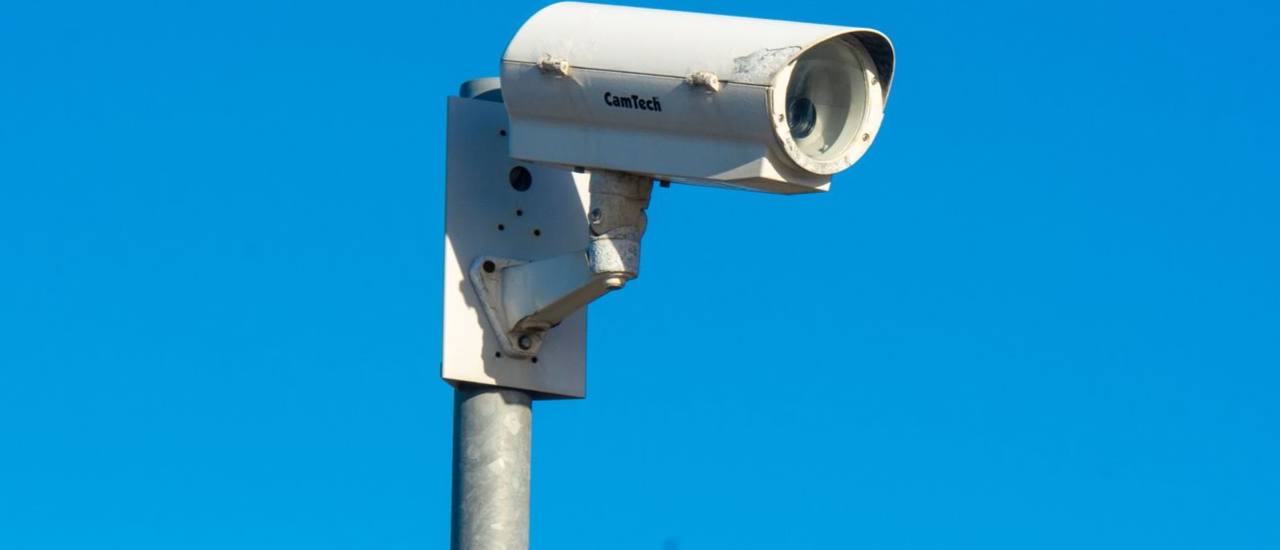
A damaged gate or disputed delivery can expose gaps in a shared-yard CCTV system within minutes. One tenant may hold the entrance footage, another may cover the loading area, and nobody may know who can release the recordings or authorise a repair.
Landlords, managing agents and facilities managers need one coordinated CCTV systems installation. At Cube Communications, we design tailored commercial CCTV systems around the property, the coverage required and the available infrastructure.
Can you follow a vehicle from the gate to the point where an incident happened? Would the system keep recording, and would remote access continue, if a tenant disconnected a service it relies on?
If you cannot answer those questions clearly, contact us to discuss your shared site and arrange a commercial CCTV assessment.
Is the Landlord Responsible for CCTV in a Shared Yard?
The landlord does not always hold sole data protection responsibility. That responsibility depends on who decides why the cameras operate, what they record and who can receive the footage.
A landlord may control cameras covering the entrance and estate road, while tenants operate systems around their own units. A managing agent may administer the common system on the landlord’s behalf.
A shared CCTV systems installation therefore needs named responsibility for administration, footage requests and repairs. Before handover, you need clear answers to four questions:
- Who controls the common cameras?
- Who holds administrator access?
- Who approves footage requests?
- Who removes former users and authorises repairs?
A lease or service charge agreement may explain who pays without identifying who manages the system each day.
The selected CCTV system should support the access arrangement you agree. Available controls will depend on the equipment and platform chosen, but the handover should identify authorised users and maintenance contacts.
Not every tenant needs access to every camera. A common-area view may record activity linked to several occupiers, so access levels should match each user’s role. Individual accounts also make access easier to remove when staff or tenants leave.
What Happens to Shared-Yard CCTV When a Tenant Leaves?
Common CCTV can stop recording if its power supply, recorder or required network path sits inside a unit that a tenant disconnects. An internet outage may leave local recording intact but remove remote access, depending on the system design.
The cameras may remain on the wall, so the yard can still look covered after the supporting service has failed.
Before installation, the design needs to establish where the recorder, network equipment and power supplies will sit. It should also identify who can reach that equipment after a tenancy change.
Where the site must rely on one occupier, you need that dependency recorded. You also need a named contact who can restore access or arrange a repair.
Former staff and tenants should not retain live views or stored footage after they leave. Individual accounts allow the system manager to remove access without disrupting other users.
A practical handover should identify authorised contacts, equipment locations and the services supporting the common system. That record helps a new managing agent understand the setup without tracing cables, accounts and network connections from the beginning.
Does your common CCTV rely on power, broadband or equipment inside a tenant’s unit? Contact us before the unit changes hands to discuss how the existing system depends on that space or service.
What Should CCTV Cameras Cover in a Shared Commercial Yard?
Your cameras need to show the parts of an incident that matter. Where you need to reconstruct vehicle movement, that may mean covering the route from the entrance to a loading area or shared boundary.
Consider a van entering the gate, travelling towards a tenant’s unit and causing damage near the loading area.
One camera may show the vehicle entering. Another may follow its route. A closer view may record the activity at the boundary.
A wide overview can show movement without producing a usable number plate. A close entrance view may identify the vehicle but miss what happens later. Giving each camera a defined primary task usually produces clearer evidence.
For CCTV systems installation in shared yards, camera positions need to reflect how vehicles and people move through the site rather than covering entrances in isolation. This can prevent you from paying for repeated views that add footage without filling the evidence gap.
ANPR, or Automatic Number Plate Recognition, can help at a controlled entrance. It normally needs a dedicated view of a predictable vehicle path, and a general yard camera may not read plates consistently at distance.
Effective ANPR planning needs to consider the approach angle, vehicle position and night-time lighting. Headlights or security lamps can make a plate unreadable even when the daytime image looks clear.
Common-area cameras should not give one tenant an unnecessary view into another occupier’s doorway or work area. The proposed view needs checking from the intended mounting position because a site plan may not show parked trailers, vehicle queues or changes in lighting.
Careful positioning and, where the selected equipment supports it, privacy masking can limit unnecessary coverage.
The organisation controlling the cameras must identify a lawful basis, provide suitable privacy information and set a retention period that reflects the system’s purpose. UK law does not impose one standard retention period for every commercial CCTV system.
Does Your Shared Yard Need a CCTV Assessment?
You need a professional assessment when cameras leave gaps, common equipment depends on one occupier or changes to tenants and site layout have made the original design unreliable.
The assessment should begin with what the site needs to show after an incident. Camera quantities come later.
Those requirements guide camera positions, cable routes and recording capacity. The design should also account for power, network connections and the access needs of authorised users.
A professional CCTV systems installation can reduce evidence gaps without adding cameras that repeat views you already have. It can also place recording equipment and remote access under clearer management.
At Cube Communications, we provide commercial CCTV systems installation in Leeds and across West Yorkshire for landlords, managing agents and businesses. We install tailored commercial CCTV systems, including network-connected options and remote monitoring where suitable.
We also provide CCTV repair and maintenance services for existing equipment. If your current system no longer covers the site properly or relies on infrastructure that has changed, we can discuss the available options.
If your cameras depend on one tenant, leave gaps between views or have unclear user access, contact us to discuss your site and request a free, no-obligation CCTV quote.