Should I Hire Someone For a TV on a Wall?
Professional wall-mounting guarantees a secure installation. DIY attempts frequently end with snapped fixings or ripped plasterboard. Structural failure voids manufacturer warranties. Certified mounting specialists protect your technology investment. Professional mounting meets health and safety standards for West Yorkshire homes and offices.
Leeds properties often contain "Dot and Dab" walls and hidden infrastructure. A specialist tv on wall installer for offices Leeds ensures the screen stays on the wall long-term.
The "Dot and Dab" Trap
Most modern Leeds homes rely on "Dot and Dab" construction. Builders attach plasterboard to blockwork using dabs of adhesive. This method leaves a 10mm–25mm gap behind the board. Standard wall plugs expand into this void. They fail to grip the solid wall. Articulated arms exert leverage that pulls these plugs through the plasterboard. This failure leaves large holes in the finish.
We solve this structural weakness by using specialist steel-cored anchors. These anchors bridge the internal gap and lock directly into the masonry blockwork. This technique transfers the screen weight to the building structure rather than the fragile plasterboard. It prevents the board from bowing or collapsing under the strain of 65-inch displays.
Mapping Services Before Drilling
Drilling without a blueprint is a gamble. Water pipes and electrical cables run through designated "safe zones" in commercial and residential buildings. Standard stud finders often confuse copper pipes with wooden studs. Striking a live main or a pressurised pipe results in immediate property damage.
Our engineers use calibrated wall scanners to map the substrate. We identify live voltage and ferrous metals before the first hole is made. This diagnostic step prevents burst pipes. Clients hire someone to mount a tv on wall for technical insurance. Utility repairs cost more than professional mounting. Mapping the wall substrate ensures the fixings do not interfere with the building's thermal envelope or internal services.
Specialist vs Handyman
General handymen lack the specialist kit required for flawless finishes. The technical approach differs significantly:
- Substrate Analysis: Handymen rely on plastic plugs. We identify specific wall types and select load-calculated heavy-duty fixings. Different walls require unique torque settings to avoid cracking the masonry or stripping the thread.
- Precision Levelling: We level the bracket and the screen. We account for "arm-sag" on cantilever mounts. This keeps the TV straight when the arm extends. Heavy displays exert significant downward force that standard levels do not account for during the initial fix.
- Infrastructure Safety: Our team uses digital scanning to map electrical and plumbing runs. We verify the "pull-out" resistance of the wall before committing to a final position.
- Liability: We provide certified installations backed by professional indemnity insurance. Cash-in-hand jobs offer no protection against hardware failure or accidental property damage.
Skip the DIY headache and the risk of a shattered screen. Let our engineers handle the heavy lifting with a guaranteed, pro-grade finish. Contact our Leeds team today.
Commercial Liability and HSE Compliance
Wall-mounted TVs are "work equipment" in business environments. The Health and Safety at Work Act 1974 requires employers to ensure safe installation. Fallen screens trigger HSE investigations and liability claims. Commercial insurance policies often require proof of professional installation for equipment mounted in public-facing areas.
A safe tv on wall installation for businesses requires documented verification. We provide a method statement and risk assessment for every project. This documentation serves your business insurance. We verify that hardware and substrates meet load-bearing standards. This converts a task into a safety asset. Professional mounting reduces the risk of workplace injury and protects company assets from negligence claims.
The 42-Inch Rule
Mounting a TV too high is a common error. This forces viewers to tilt their heads back and causes neck strain. Chronic neck pain often results from improper screen height in both lounges and boardrooms.
Reliable tv on wall installation Leeds follows the "Eye-Level Rule." The centre of the screen sits 42 inches (106cm) from the floor for seated viewing. We calculate height based on seating distance and Vertical Viewing Angles. Correct positioning ensures comfort during daily operation. We adjust these measurements based on the specific tilt capability of the chosen bracket to maintain optimal picture contrast and colour accuracy.
Fire Safety and Concealed Cables
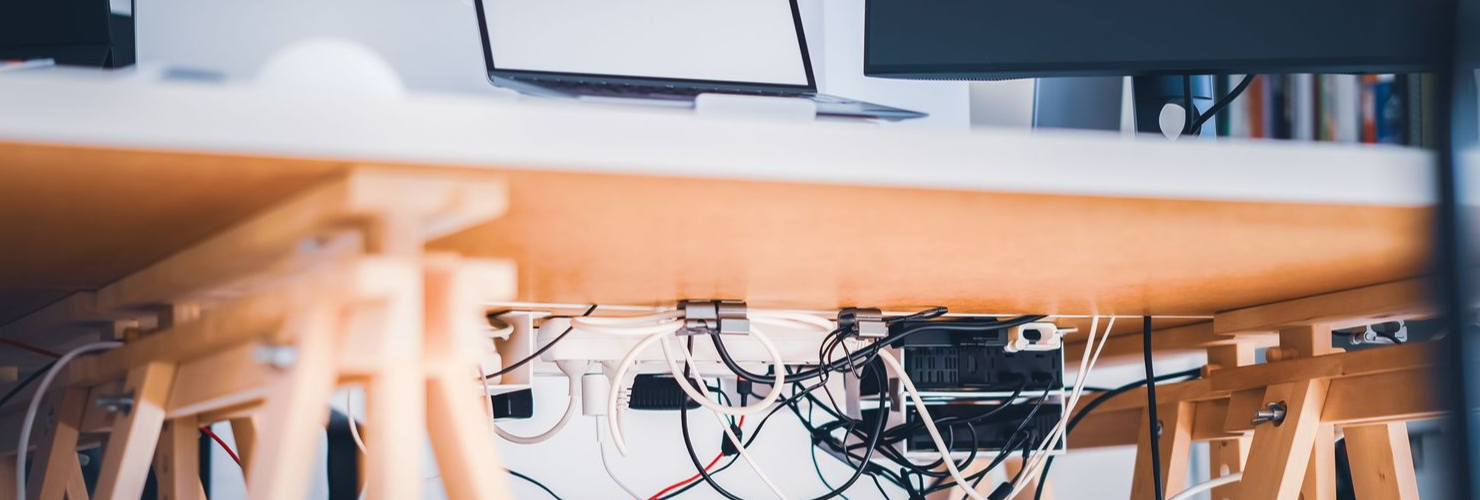
Dangling cables are trip hazards and fire risks. Bundling power and data cables tightly causes heat buildup and signal interference. Poorly managed cables degrade over time due to friction and tension.
We use LSZH (Low Smoke Zero Halogen) cabling for concealed cable tv on wall installation. We chase cables into masonry or use thermal-compliant trunking. This ensures adequate airflow around electrical conductors. Professional management protects the property fabric from overheating. It keeps cabling accessible for future maintenance. Separating high-voltage power from low-voltage data lines prevents electromagnetic interference and maintains high-definition signal integrity.
The Site Manager’s Pre-Installation Audit
Identify potential hurdles with this technical checklist:
- Verify Wall Substrate: Confirm if the wall is plasterboard, timber stud, or solid brick. Each requires a different fastening strategy.
- Check VESA Patterns: Match the screen's screw-hole pattern to the bracket. Incorrect patterns lead to uneven weight distribution and bracket failure.
- Map Power & Data: Confirm socket locations relative to the screen. Hidden sockets must remain accessible for emergency isolation.
- Measure Viewing Height: Align the screen centre with seated eye level. Account for furniture height and average viewer height.
- Evaluate Pull-Out Force: Ensure the wall handles the dynamic load of extended cantilever arms. Full-motion brackets exert three times the static weight of the TV when fully extended.
Cost-Benefit Analysis
- DIY Cost: High risk of screen damage and plaster repair. Replacing a 75-inch OLED costs significantly more than a professional installation fee.
- Specialist Cost: Fixed fee for labour and materials. This includes the peace of mind that the hardware is structurally integrated into the building.
A professional tv on wall mounting Yorkshire service acts as an insurance policy. The installation lasts as long as the building. Professional installers assume the risk of the installation, protecting the homeowner or business owner from financial loss.
When to Hire a Specialist
Request a specialist for large format tv on wall mounting in these scenarios:
- The TV is larger than 43 inches on Dot and Dab walls. These walls require deeper anchors to reach the solid substrate.
- The screen sits above a fireplace or near a flue. Heat management and smoke protection are critical for electronic longevity.
- The cantilever bracket exerts high dynamic loads. These brackets require reinforced backing or specialist chemical anchors in older masonry.
- The installation sits in a public or commercial space. Regulatory compliance and public safety are the primary concerns here.
Book a Structural Wall Assessment
Cube Communications provides certified mounting for West Yorkshire homes and businesses. We assess wall structures and specify the correct anchors for a permanent hold. Our engineers carry the specialist tools required for precision drilling in complex Leeds properties.
Call our engineering team in West Yorkshire on 0113 287 9000 to book a structural wall assessment. Get in touch via our contact page!